
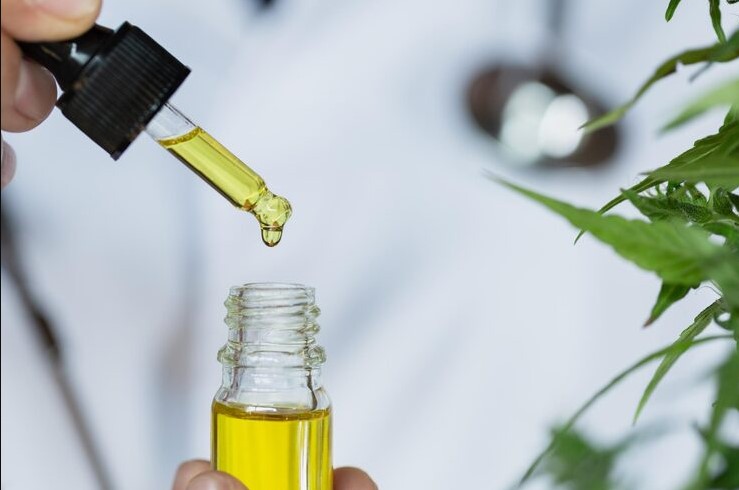

Accurate CBD oil serving size calculations ensure users receive consistent therapeutic doses while avoiding waste or ineffective amounts. Mathematical precision in dosing helps optimise therapeutic outcomes and economic efficiency. Consumers purchasing premium CBD oil Canada products need reliable calculation methods to determine exact serving sizes based on product concentration and individual dosing requirements for their specific health objectives.
Basic calculation formulas
- CBD oil serving calculations require understanding total cannabinoid content and bottle volume measurements. Dividing total CBD milligrams by bottle millilitres reveals concentration per millilitre. This baseline calculation enables accurate dose measurement using dropper tools or measuring devices.
- Standard droppers deliver approximately 0.05ml per drop, depending on oil viscosity and dropper design. Multiplying drops by millilitre concentration provides precise CBD content per serving. Most bottles contain 30ml of oil, with dropper bottles delivering roughly 600 individual drops total.
- Mathematical precision prevents dosing errors that could result in ineffective treatment or unnecessary cannabinoid consumption. Simple division and multiplication formulas provide reliable serving size calculations that users can apply consistently across different product concentrations and brands.
Concentration measurement methods
Product labels display total CBD content in milligrams alongside bottle volume information needed for serving calculations. High-quality products provide clear labelling that simplifies mathematical calculations while ensuring dosing accuracy. Label verification through third-party testing certificates confirms stated concentrations.
- Calculate mg per ml by dividing total CBD by bottle volume
- Determine mg per drop by multiplying the ml concentration by 0.05
- Measure the desired dose by dividing the target mg by the per-drop concentration
- Verify calculations using alternative measurement methods
- Document personal dose requirements for consistent future use
Digital scales provide alternative measurement methods for users prefer weight-based dosing over volume calculations. Weighing specific amounts of oil ensures precise dose delivery while eliminating variables associated with dropper inconsistencies.
Dropper accuracy considerations
Standard droppers vary in their delivery volumes based on oil viscosity and atmospheric pressure conditions. Thicker oils produce larger drops while thinner formulations create smaller droplets that affect dose calculations. Temperature changes also influence oil viscosity and drop size consistency.Dropper squeeze pressure affects drop size, as gentle pressure creates smaller drops than firm squeezing, producing larger droplets. Consistent dropper technique ensures repeatable serving sizes that maintain therapeutic dose accuracy over time.Graduated droppers with millilitre markings provide more precise measurement capabilities than standard droppers relying on drop counting methods. These specialised tools eliminate guesswork while ensuring accurate dose delivery for users requiring precise cannabinoid intake.
Do titration schedules
Starting with conservative doses and gradually increasing allows users to identify their optimal therapeutic range without overwhelming their endocannabinoid systems. Systematic titration prevents adverse reactions while optimising therapeutic outcomes through careful dose adjustment protocols.
- Begin with 2.5mg doses taken twice daily for one week
- Increase to 5mg twice daily during the second week if needed
- Continue increasing by 2.5mg increments weekly until effects appear
- Maintain the effective dose for two weeks before making adjustments
- Reduce doses if side effects develop during the titration process
Documentation of dose responses helps users track their optimal serving sizes while identifying patterns in their therapeutic requirements. Written records prevent confusion about effective doses and support consistent dosing schedules.Accurate CBD oil serving calculations rely on mathematical formulas and proper measurement techniques. Systematic dose titration and individual adjustment factors ensure optimal therapeutic outcomes. Consistent calculation methods support reliable dosing while maximising product effectiveness and economic value.